This is the fourth in a series of posts about the future of the Rock of Ages Lighthouse and the proposal to restore and preserve the other historical sites in Isle Royale’s Washington Harbor.
If we accept the premise that the restored Rock of Ages Lighthouse, even when fully staffed with historical interpreters, cannot overcome the associated costs and risks of facilitating guests, given the current level of visitation to the Washington Harbor area, then it’s time to broaden the discussion. For the moment, we’ll set aside the issue of dock safety, assuming it can be addressed through targeted funding.
We’ll also set aside the transportation question itself, assuming that some means will eventually be found to attract sufficient numbers of visitors interested in a historical tour that is engaging, accessible, and reliable enough to operate regardless of the weather. If that attraction is NOT the lighthouse alone, then the question becomes: what other historical or cultural attraction could complement it, offsetting the risk of weather cancellations while drawing both the intentional and the spontaneous traveler seeking a deeper connection with Isle Royale’s past?
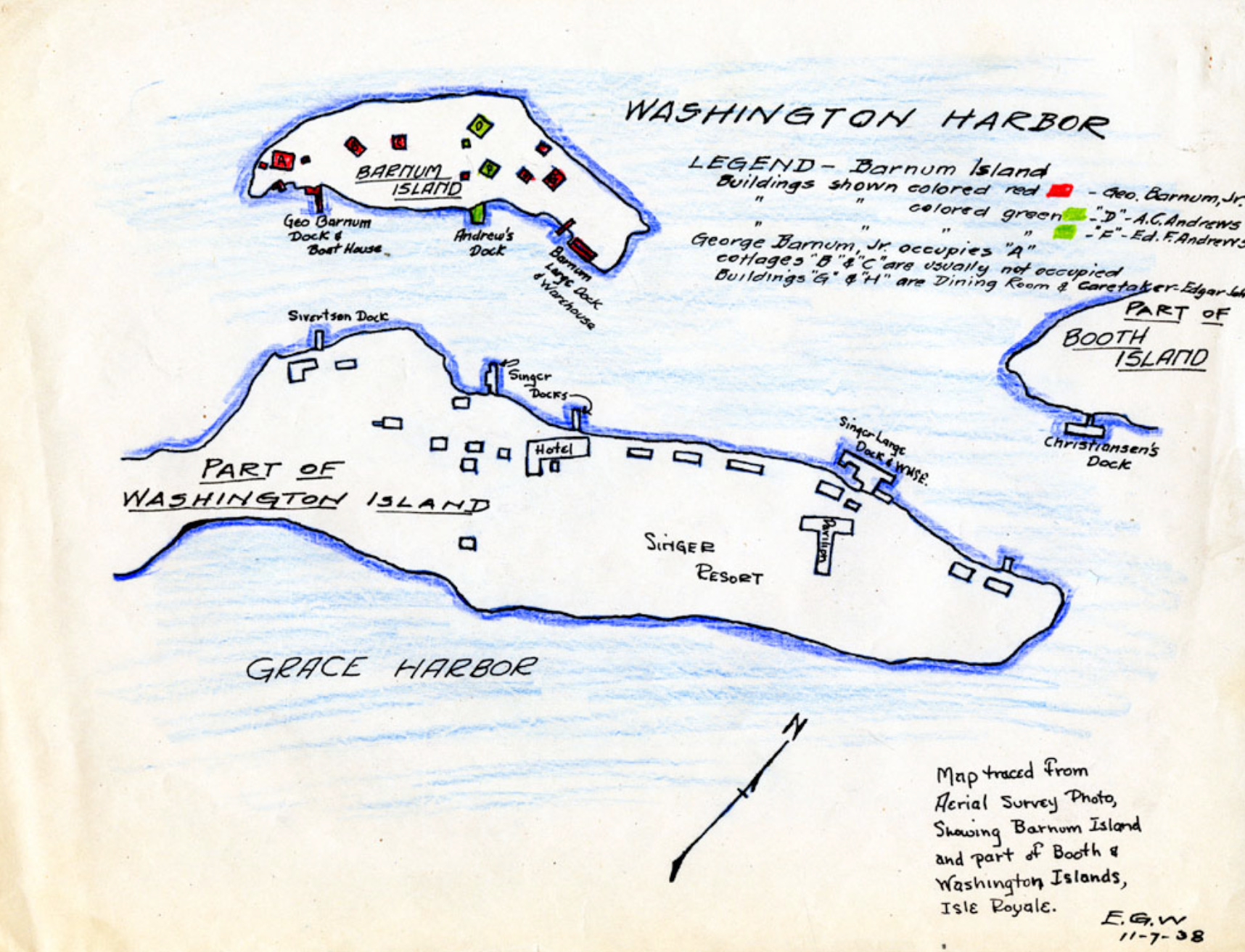
Between the Ozaagaateng (Windigo) dock, where visitors arrive from Grand Portage, and the Rock of Ages Lighthouse lie two islands rich in history. Washington and Barnum Islands, located at the far western end of Washington Harbor, served as important seasonal-use sites: first for Indigenous people engaged in early copper mining and fishing, and later, through the 19th and 20th centuries, for commercial fisheries and private summer cottages.
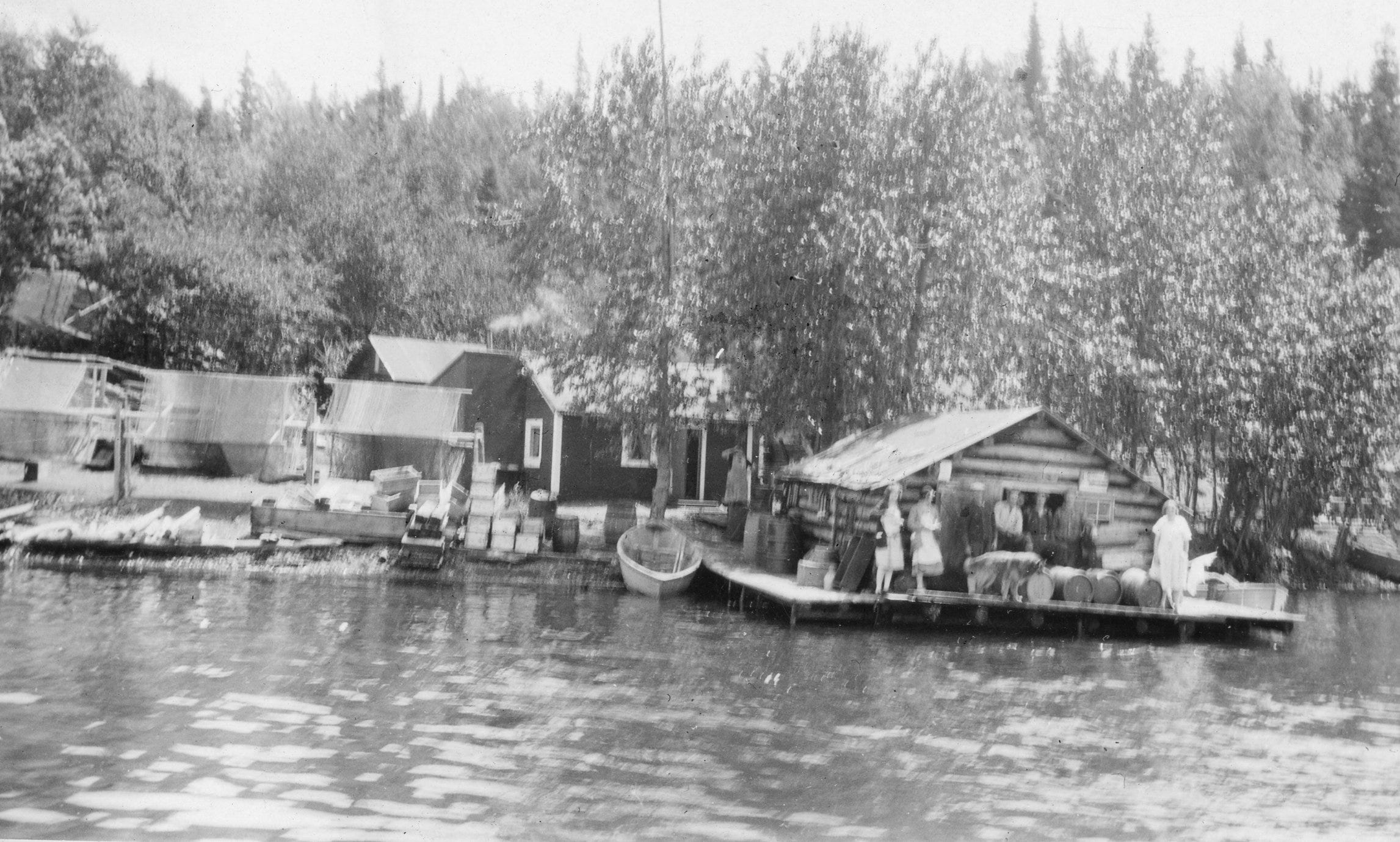
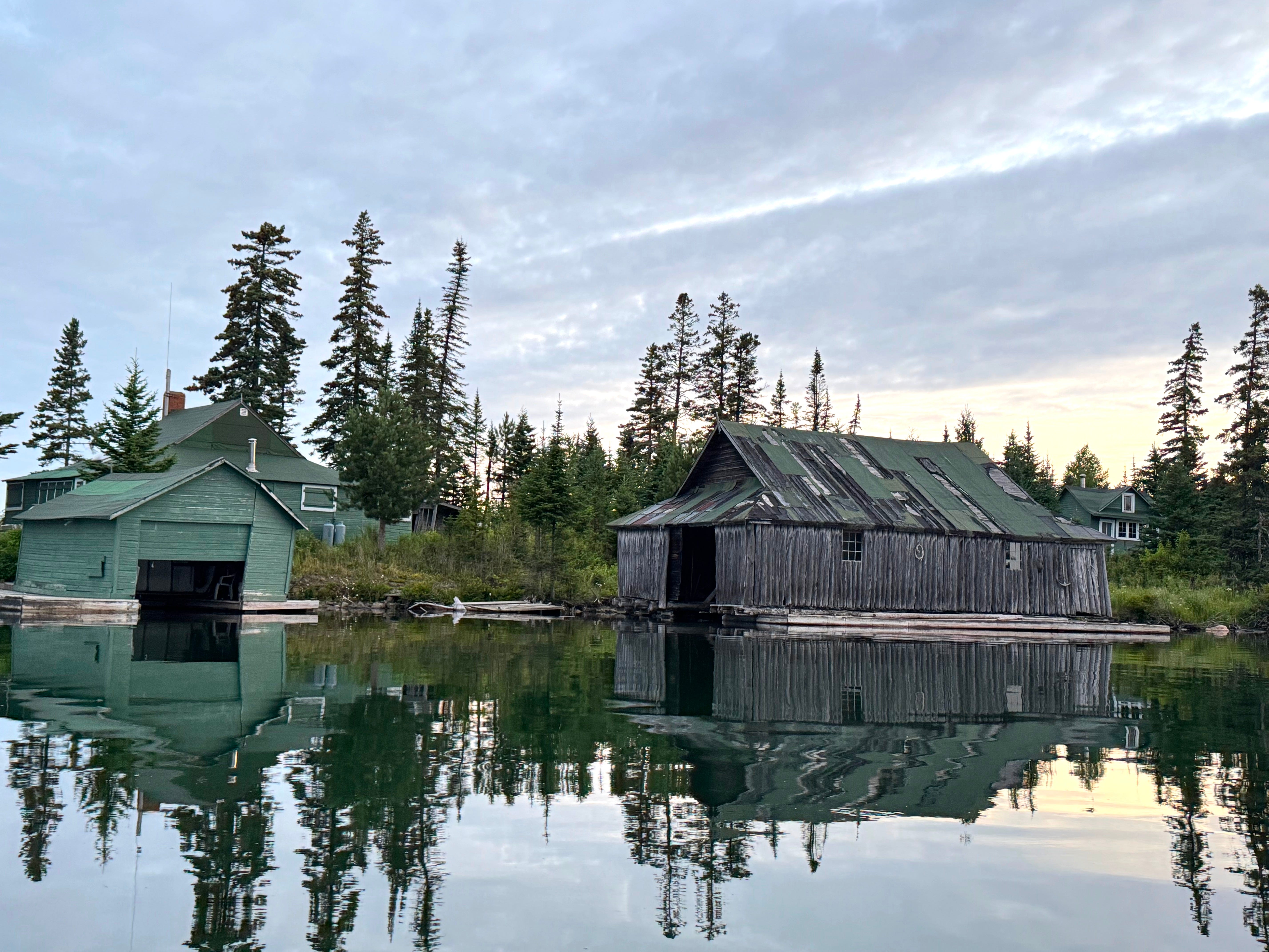
Many of the historic buildings on both islands still stand, though some are in varying stages of disrepair. Several fishermen's cabins on Washington Island and cottages on Barnum Island have been restored and maintained by descendants of families that inhabited them in the recent past. Two landmarks, the Johns Hotel and the Sivertson Fish House, have been restored and preserved through the dedication of these descendant families. The detailed histories of these sites are documented on the Isle Royale National Park History and Culture webpage, which includes entries on both Washington Island and Barnum Island.
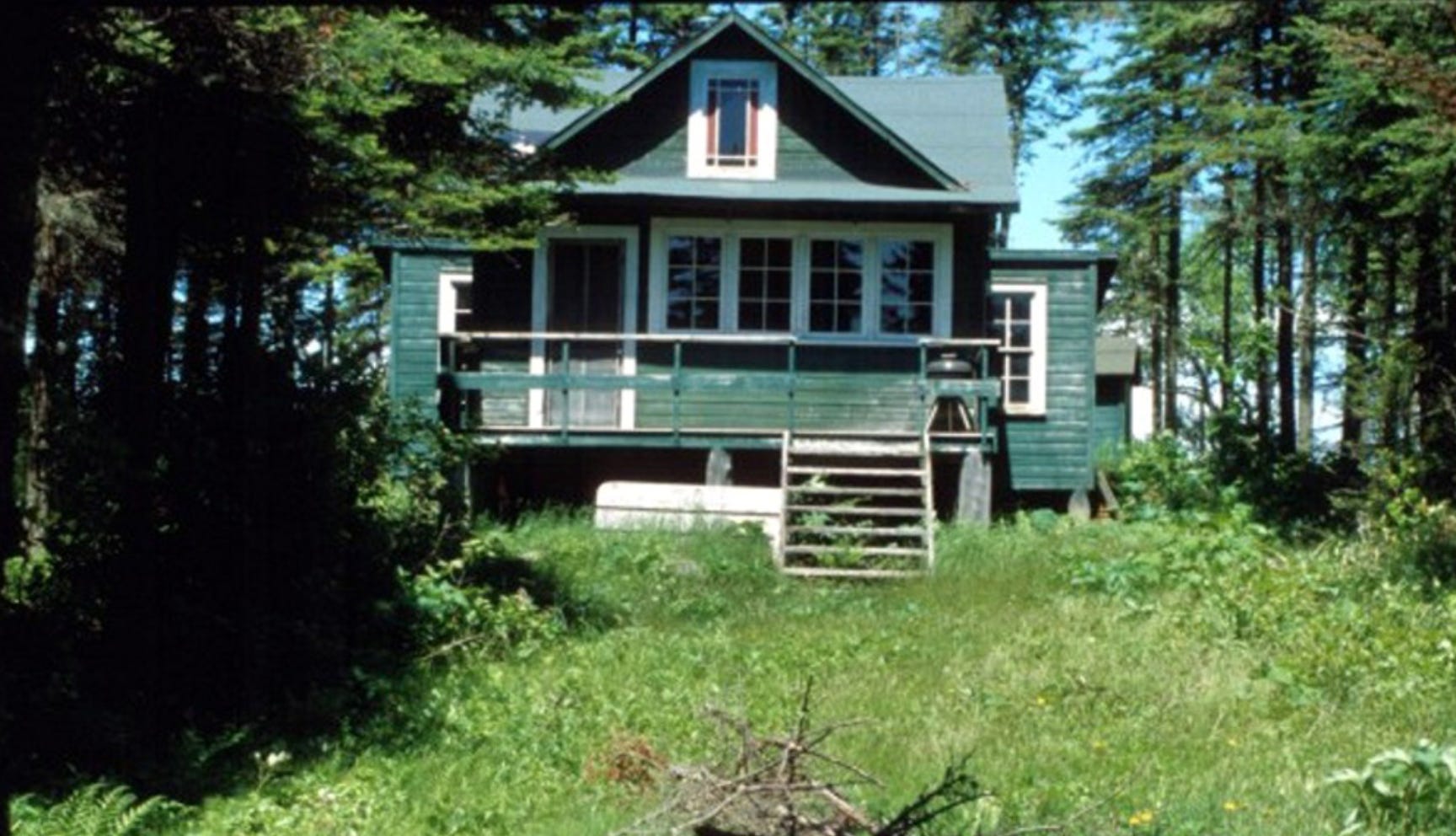
The Washington Harbor Preservation Group, composed primarily of family descendants, continues to sustain these structures under the guidance of the park’s Cultural Resources Management staff. However, the group’s limited membership and resources constrain the scope of preservation activity. Without expanded capacity, it will be challenging to meet long-term preservation needs or fulfill its heritage potential, particularly since many participants have been involved for decades.
If, however, the group were able to increase it’s capacity and scale its efforts to encompass the rehabilitation of the entire harbor area, Washington Harbor could evolve into a living center for historic interpretation, education, and cultural study. It could also provide an opportunity to renew ties with the Grand Portage Band of the Lake Superior Chippewa, connecting present-day stewardship with the area’s earliest Indigenous heritage. Together, these efforts could form the foundation for a compelling visitor destination, one that complements the lighthouse experience and deepens understanding of the island’s layered human history.
With coordinated planning and targeted promotion across the Minnesota and Wisconsin tourism markets, these combined attractions could generate the visitation necessary to sustain the transportation and hosting infrastructure envisioned by both the Rock of Ages Lighthouse Preservation Society and the Washington Harbor Preservation Group. Achieving that vision would require a greater scale, resources, and collaboration than have been brought to bear thus far, but the potential rewards, both cultural and economic, are significant.
What would it take to achieve that kind of scale and scope, and what organizational design might facilitate the creation of the necessary infrastructure and resources? That’s the focus of the fifth and last segment in this series.
Comments
Post a Comment